 11
11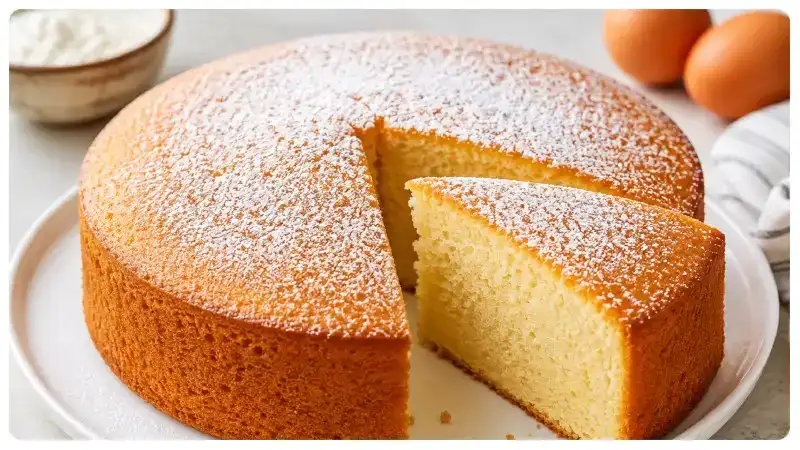
A good cake recipe does not need a long ingredient list or complicated baking techniques. When you use simple ingredients, measure them carefully, and avoid overmixing the batter, you can make a soft homemade cake that tastes fresh, buttery, and satisfying. This cake recipe is designed for everyday baking, so you do not need special equipment or professional decorating skills to get a delicious result. Recent baking trends also show strong interest in easy cakes, including simple stir-together cakes and recipes that make homemade desserts more approachable for beginners.
The beauty of a basic cake is its flexibility. You can serve it plain with coffee, dust it with powdered sugar, cover it with frosting, or add fresh fruit for a more festive dessert. Think of the recipe as a blank canvas: once you understand the basic batter, you can turn it into chocolate, lemon, strawberry, cinnamon, or birthday cake with only a few changes.
This recipe focuses on balance rather than unnecessary complexity. Flour provides structure, eggs help bind the ingredients, sugar adds sweetness and tenderness, while butter or oil contributes richness and moisture. Milk gives the batter enough liquid to create a tender crumb, and baking powder helps the cake rise as it bakes. The goal is not simply to make a cake that rises high; it is to create a cake that stays soft when you take the first bite.
Good cake baking also depends on technique. King Arthur Baking recommends paying attention to mixing methods, ingredient choices, and testing cake doneness rather than treating every cake as if it follows the same process. That matters because even a great formula can produce a dense cake if you mix too aggressively or bake it too long.
Moisture starts with the ingredients but ends with the baking process. Too much flour can make a cake heavy and dry, while too little can leave the structure weak. Overbaking creates another common problem because the longer the cake stays in the oven, the more moisture it loses.
Room-temperature ingredients can also help the batter combine more evenly. When butter, eggs, and milk are closer in temperature, they generally blend more smoothly, giving you a consistent mixture. Once the flour goes in, mix only until you no longer see dry streaks. A few small lumps are usually better than an overworked batter.
For the best everyday cake, use fresh flour, fresh eggs, good-quality butter, and pure vanilla extract if available. All-purpose flour works well for a simple homemade cake and is easy to find. Cake flour can produce a lighter texture, but you do not need it for this recipe.
If you use butter, unsalted butter gives you more control over the salt level. If you prefer a particularly moist cake, neutral oil can replace some or all of the butter. Oil remains liquid at room temperature, which can give the finished cake a softer texture.
For one 8-inch or 9-inch round cake, gather:
You can also add 1–2 tablespoons of sour cream or plain yogurt if you want a slightly richer, more tender crumb. These additions are optional, so the basic recipe remains easy even if your refrigerator is not fully stocked.
The flour forms the framework of the cake. Baking powder provides lift, while salt balances the sweetness and makes the vanilla flavor stand out. Butter contributes richness, and sugar does more than sweeten the cake: it also affects tenderness and moisture.
Eggs help hold the batter together and contribute structure. Vanilla gives the cake a warm aroma that makes the finished dessert taste more complete. Milk supplies liquid and helps create a smooth batter that spreads easily in the pan.
If you run out of milk, whole milk gives the richest result, but lower-fat milk can still work. You can also use unsweetened plant-based milk if needed. For the butter, a neutral oil such as vegetable or canola oil can work, although the flavor and texture will change slightly.
For a citrus version, add a teaspoon of lemon or orange zest. For chocolate cake, replace about ¼ cup of the flour with unsweetened cocoa powder and add a little extra milk if the batter becomes unusually thick. These small adjustments let you create different desserts without learning an entirely new recipe.
Start by preheating your oven to 350°F. Grease an 8-inch or 9-inch round cake pan and line the bottom with parchment paper if you have it. Proper pan preparation makes removal much easier and reduces the chance of tearing the cake.
Next, whisk the flour, baking powder, and salt together in a bowl. In another bowl, beat the softened butter and sugar until the mixture looks lighter and fluffy. Add the eggs one at a time, mixing after each addition, then stir in the vanilla.
Add the dry ingredients gradually, alternating with the milk. Begin and end with the dry ingredients, and mix just until the batter comes together. Scrape the sides of the bowl with a spatula, then transfer the batter to the prepared pan and smooth the top.
A properly prepared pan gives your cake a clean edge and helps it release without a struggle. Grease the bottom and sides lightly, then add parchment to the bottom if possible. Do not fill the pan to the top because the batter needs room to rise.
Your oven should be fully preheated before the cake goes inside. An oven that has not reached the correct temperature can change the baking time and texture. If your oven tends to run hot or cold, an inexpensive oven thermometer can help you understand what is actually happening inside.
The biggest mixing mistake is overworking the batter after adding flour. Flour contains gluten-forming proteins, and excessive mixing can create a tougher texture. Once the dry ingredients disappear, stop mixing.
The creaming stage is different. When you beat softened butter with sugar, you are trying to incorporate air into the mixture. That process can help produce a lighter crumb. Take your time during this stage, but become gentle once the flour enters the bowl.
Pour the batter into the prepared pan and bake for roughly 28–35 minutes, depending on your pan and oven. Start checking toward the earlier end of the range rather than automatically adding extra time. A toothpick inserted near the center should come out clean or with a few moist crumbs.
Because ovens vary, baking time should be treated as a guide rather than an absolute rule. A cake that looks finished on top may still need more time in the middle. Let the cake cool in the pan for about 10 minutes, then transfer it to a wire rack to cool completely.
If you want to be extra careful with an egg-based baked product, the USDA recommends using a food thermometer for foods containing eggs and gives 160°F as the safe minimum internal temperature for egg mixtures.
The easiest way to protect moisture is to avoid overbaking. Once the cake is fully cooked, remove it from the oven rather than leaving it inside while the oven cools. Letting a cake sit in residual heat can gradually dry the edges and center.
Storage also matters. Once completely cool, place the cake in an airtight container or wrap it well. If the cake has a perishable frosting or filling, refrigerate it according to the ingredients used. The USDA advises refrigerating perishable foods promptly and not leaving them at room temperature for more than two hours.
A few small mistakes can turn a promising cake into a disappointing one. Measuring flour by scooping directly from the bag can pack extra flour into the cup, so spooning flour into the measuring cup and leveling it is a better approach if you do not have a kitchen scale.
Another mistake is opening the oven repeatedly during baking. Every time you open the door, heat escapes, which can interfere with the cake’s rise. Instead, wait until the cake is close to its expected baking time before checking it.
Finally, do not frost a warm cake. Warm cake and frosting are a messy combination because the frosting can melt and slide away. Give the cake enough time to cool completely before decorating.
You do not need elaborate decorations to make a homemade cake look special. A simple vanilla buttercream works beautifully, while powdered sugar creates an effortless finish. You can also spread a thin layer of whipped cream over the top and add berries.
For chocolate lovers, a quick chocolate glaze gives the cake a glossy finish without requiring advanced piping skills. Lemon glaze works especially well if you add lemon zest to the batter. Even a handful of sliced strawberries can turn a plain cake into a dessert that looks ready for a celebration.
If you are making the cake for a birthday, let the cake cool completely before adding frosting, then decorate with sprinkles or simple piped borders. The finished appearance does not need to be perfect. Homemade desserts often look best when they retain a little of that handmade character.
A plain unfrosted cake can usually be kept covered at room temperature for a short period, provided the environment is cool and the ingredients do not require refrigeration. For longer storage, wrap it tightly and refrigerate it. Bring refrigerated cake toward room temperature before serving if you prefer a softer texture.
If you have leftover cake, slice only what you plan to eat and keep the rest covered. This reduces exposure to air and helps prevent the crumb from drying out. Cakes containing cream, custard, cream cheese frosting, or other perishable ingredients should be refrigerated.
The USDA recommends using cooked leftovers within three to four days when properly refrigerated.
A reliable cake recipe should make baking feel easier, not more intimidating. With flour, butter, eggs, sugar, milk, and a few basic pantry ingredients, you can create a tender homemade cake without complicated equipment or advanced skills. The real secret is simple: measure carefully, mix gently after adding flour, bake until done, and let the cake cool before decorating. Once you master this basic method, you can confidently experiment with chocolate, citrus, berries, spices, and different frostings.
Yes. You can use a whisk and spatula, although softened butter is easier to combine by hand if you work patiently. Mix the butter and sugar thoroughly, then switch to gentle mixing once you add the flour.
The most common reasons are too much flour, overmixing, expired baking powder, or an oven that was not hot enough. Measure ingredients carefully and mix the batter only until the flour disappears.
Yes. Replace part of the flour with unsweetened cocoa powder and slightly increase the liquid if the batter becomes too thick. Chocolate chips can also be folded into the batter for extra flavor.
Insert a toothpick into the center. If it comes out clean or with a few moist crumbs, the cake is generally ready. You can also look for a lightly golden surface and edges that begin to pull slightly away from the pan.
Yes. Let the cake cool completely, wrap it tightly to protect it from air, and freeze it before adding delicate decorations when possible. Thaw it while wrapped so condensation forms on the wrapping rather than directly on the cake.
For more information, visit our site daily.